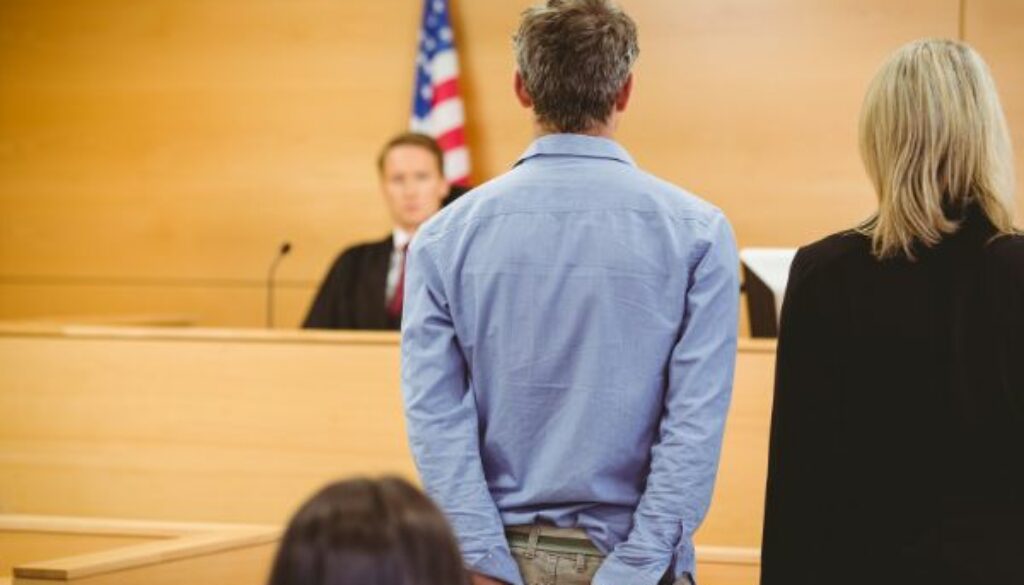
What To Do When You’ve Been Falsely Accused of a Crime
Being falsely accused of a crime can be a frightening and overwhelming experience. Your reputation, freedom, and future may all be at risk. You may feel lost, confused, and unsure of what steps to take next. It’s crucial to handle the situation with the right approach to protect yourself and prove your innocence. Unfortunately, false accusations happen more often than we’d like to think. Varghese & Associates, P.C. is here to present you with a guide on what to do when you’ve been falsely accused of a crime.
New York Criminal Defense Attorney
As a leading law firm in New York’s criminal defense, Varghese & Associates, P.C. understands the challenges individuals face when falsely accused of a crime. Our experienced team of attorneys is here to help you navigate through this difficult time and ensure that your rights are protected every step of the way. If you’ve been accused of a crime you did not commit, you can rely on our New York law firm to aggressively advocate for your rights. Contact us to discuss your rights today.
What To Do When You’ve Been Falsely Accused of a Crime
Being falsely accused of a crime can be a distressing and overwhelming experience, but it’s crucial to remain calm and take immediate action to protect your rights and defend your innocence. If you find yourself in this situation, here are some essential steps to take:
1. Remain Calm and Assert Your Innocence
It’s natural to feel shocked and upset when faced with false accusations, but it’s essential to remain composed and assert your innocence. Avoid engaging in arguments or confrontations with accusers, as this could potentially escalate the situation.
2. Gather Evidence to Support Your Defense
Collect any evidence that may help prove your innocence, such as alibis, witness statements, surveillance footage, or communication records. Document any relevant information or details that could corroborate your version of events.
3. Refrain from Speaking to Law Enforcement Without Legal Representation
If contacted by law enforcement regarding the false accusations, exercise your right to remain silent and refrain from making any statements until you have consulted with an experienced criminal defense attorney. Anything you say to law enforcement could be used against you, so it’s crucial to have legal representation before engaging in any discussions or interviews.
4. Seek Legal Assistance from Varghese & Associates, P.C.
When facing false accusations of a crime, it’s vital to have skilled and dedicated legal representation on your side. Varghese & Associates, P.C. specializes in defending individuals against criminal charges in New York and has a proven track record of success in handling cases involving false accusations. Our experienced criminal defense attorneys will thoroughly investigate the allegations against you, develop a strategic defense strategy, and advocate vigorously on your behalf to protect your rights and clear your name.
5. Cooperate with Your Legal Team and Follow Their Advice
Work closely with your legal team at Varghese & Associates, P.C. to build a strong defense and navigate the legal process effectively. Follow their advice and instructions carefully, attend all scheduled appointments and court hearings, and provide them with any information or documentation relevant to your case.
6. Stay Positive and Trust in the Legal Process
Dealing with false accusations can be emotionally challenging, but it’s essential to stay positive and trust in the legal process. With skilled legal representation from Varghese & Associates, P.C., you can have confidence that your rights will be protected, and justice will prevail.
If you’ve been falsely accused of a crime in New York, don’t hesitate to contact Varghese & Associates, P.C. for experienced and compassionate legal assistance. Our dedicated team is here to provide you with the support and representation you need to defend your innocence and move forward with your life.
What Not To Do If You’ve Been Falsely Accused of a Crime
While there are steps you should take when facing a false accusation, there are also certain actions you should not take. We’re here to help you navigate your options and ensure you don’t make any mistakes that could harm your case.
- Do Not Discuss the Case with Anyone Except Your Attorney: It’s crucial to refrain from discussing the details of the case with anyone other than your attorney, including friends, family members, or acquaintances. Loose lips can inadvertently lead to misunderstandings or misinterpretations of your statements, which could be used against you in court.
- Do Not Attempt to Contact the Accuser or Witnesses: Resist the urge to reach out to the accuser or any witnesses involved in the case, as this could be perceived as tampering with evidence or attempting to influence testimony. Let your attorney handle all communications and interactions with the other parties involved in the case.
- Do Not Destroy or Alter Any Evidence: Tampering with or destroying evidence related to the case can have serious legal consequences and may further incriminate you. Preserve all relevant evidence and provide it to your attorney for review and analysis. Your legal team will determine the best course of action regarding the evidence in your defense.
- Do Not Attempt to Handle the Case on Your Own: Dealing with false accusations of a crime is a complex legal matter that requires the expertise of a skilled criminal defense attorney. Attempting to handle the case on your own without legal representation can jeopardize your rights and undermine your defense. Trust in the experience and knowledge of your attorney to guide you through the legal process effectively.
By avoiding these common pitfalls and seeking the guidance of an experienced criminal defense attorney, you can protect your rights and mount a strong defense against false accusations of a crime.
Wrongful Accusations We Defend

Wrongful accusations can arise in various contexts and have serious consequences for the individuals falsely accused. Here are some of the common types of wrongful accusations that our legal team at Varghese & Associates, P.C. can help you defend against:
- Domestic violence
- Theft and property crimes
- Sexual assault
- Drug possession and distribution
- White-collar crimes
If you’ve been wrongfully accused of a crime in New York, it’s crucial to seek legal representation from a skilled and experienced criminal defense attorney. Attorney Vinoo Varghese specializes in defending individuals against false accusations and will work tirelessly to protect your rights and clear your name. Contact us today to schedule a consultation and learn how we can help you navigate the complexities of the criminal justice system.
Falsely Accused Crimes Consequences
Falsely accused individuals may face significant consequences if they fail to take proactive steps to address the allegations against them. Here are some potential risks of doing nothing in response to false accusations:
- Legal Consequences: Ignoring false accusations can lead to legal repercussions, including criminal charges, civil lawsuits, and court judgments. Without a robust defense strategy, individuals may find themselves facing serious penalties, including fines, probation, or even imprisonment, despite their innocence.
- Damage to Reputation: False accusations can tarnish an individual’s reputation and credibility, leading to social stigma, ostracism, and damage to personal and professional relationships. Even unfounded allegations can have lasting effects on a person’s reputation, making it difficult to rebuild trust and move forward in life.
- Emotional Distress: Dealing with false accusations can take a toll on an individual’s mental and emotional well-being, causing stress, anxiety, depression, and other psychological issues. The uncertainty and fear of being wrongfully convicted can be overwhelming, impacting every aspect of a person’s life.
- Financial Burden: Legal fees, court costs, and other expenses associated with defending against false accusations can quickly add up, placing a significant financial burden on the accused and their family. Without proper legal representation, individuals may find themselves facing financial hardship and instability.
- Missed Opportunities for Justice: By failing to address false accusations proactively, individuals risk missing out on opportunities for justice and exoneration. Without a thorough investigation and vigorous defense, innocent individuals may be unable to clear their names and hold the true perpetrators accountable for their actions.
Let Varghese & Associates, P.C. help you be proactive in defending against false accusations of a crime. Our experienced criminal defense attorney, Vinoo Varghese, is dedicated to protecting your rights and providing you with the strong legal representation you need to navigate the complexities of the criminal justice system.
Clear Your Name with Varghese & Associates, P.C.
Don’t let false accusations derail your life and future. Contact us today to schedule a consultation and learn how we can help you fight back against wrongful allegations and clear your name. Our legal team at Varghese & Associates, P.C. has the knowledge and experience to handle a wide range of criminal cases, and we have the success stories to prove it. Trust us to provide you with the aggressive defense you need to protect your rights and reputation.
Don’t wait until it’s too late. Take action now to defend yourself against false accusations and secure the justice you deserve.