
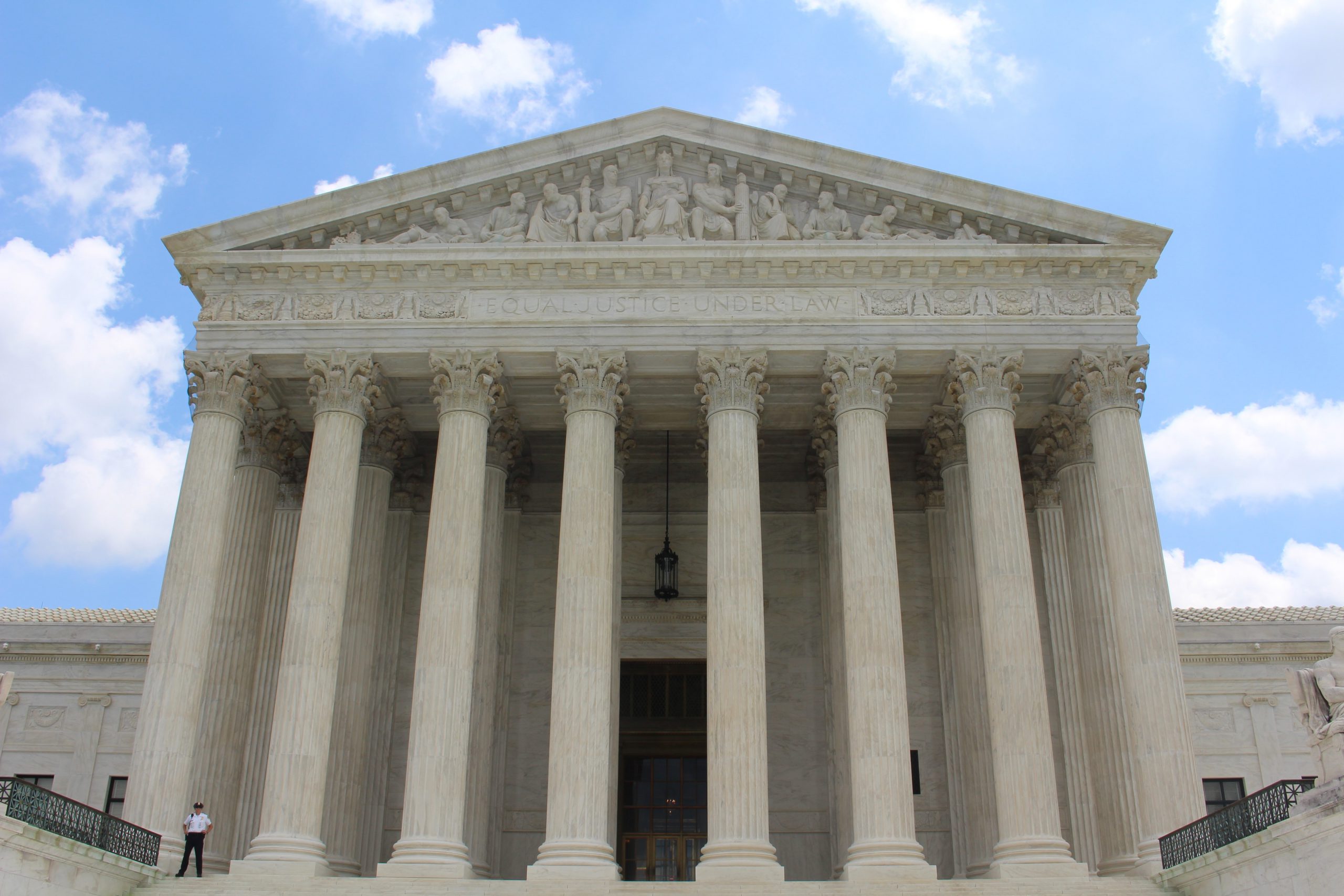
At Varghese & Associates, P.C., we understand that facing federal charges in New York City is a daunting experience. Our dedicated team of NYC Federal Defense Lawyers is committed to offering the highest level of legal representation to individuals and businesses accused of federal crimes.
NYC Federal Defense Lawyer – Varghese & Associates, P.C.
Defending Your Rights, Protecting Your Future
On This Page
- NYC Federal Defense Lawyer – Varghese & Associates, P.C.Defending Your Rights, Protecting Your Future
- What is a Federal Crime?
- Violation of Federal Law
- Interstate or International Nature
- Crimes on Federal Property
- Crimes Against Federal Officials
- Financial and Banking Crimes
- Customs and Immigration Violations
- Terrorism
- Computer and Internet Crimes
- Organized Crime and Racketeering
- Postal Offenses
- Certain Drug Crimes
- Tax Evasion and Fraud
- Penalties for Federal Crimes
- Incarceration
- Fines and Restitution
- Probation
- Forfeiture of Assets
- Supervised Release
- Community Service
- Loss of Rights
- Immigration Consequences
- Impact on Employment and Professional Licenses
- Damage to Reputation
- Increased Penalties for Repeat Offenders
- What Does a NYC Federal Defense Lawyer Do?
- Understanding Federal Law and Procedure
- Representation in Federal Courts
- Case Assessment and Strategy Development
- Handling a Range of Federal Offenses
- Protecting Constitutional Rights
- Negotiation and Plea Bargaining
- Trial Advocacy
- Sentencing Advocacy
- Client Counseling and Support
- Appeals and Post-Conviction Relief
- Types of Federal Criminal Charges We Defend Against
- White-Collar Crimes
- Drug Offenses
- Tax Evasion and Tax Fraud
- RICO and Organized Crime
- Securities and Commodities Fraud
- Cybercrimes
- Human Trafficking
- Terrorism-Related Charges
- Immigration Offenses
- Counterfeiting and Forgery
- Public Corruption and Bribery
- Environmental Crimes
- Intellectual Property Crimes
- Healthcare Fraud
- Export Control Violations
- Why Choose Varghese & Associates, P.C.
- In-Depth Experience in Federal Law
- Experienced and Skilled Legal Team
- Tailored Defense Strategies
- Proven Track Record of Success
- Client-Centered Service
- Cutting-Edge Resources and Tactics
- Dedication to Protecting Your Rights
- Confidentiality and Discretion
- Strong Professional Relationships
- Diversity and Perspective
- Contact Us

What is a Federal Crime?
A federal crime is an offense that violates the laws enacted by the federal government of the United States. Unlike state crimes, which are offenses against state laws, federal crimes are illegal activities that fall under the jurisdiction of federal legal authorities and are prosecuted by the United States Attorney’s Office. Here are key aspects that define a federal crime:
Violation of Federal Law
A federal crime directly violates U.S. federal statutes. These laws are codified in the United States Code and cover a wide range of activities.
Interstate or International Nature
Many federal crimes involve actions that cross state lines or national borders. For example, trafficking illegal substances or goods across state boundaries or from another country into the U.S. falls under federal jurisdiction.
Crimes on Federal Property
Offenses committed on federal property, such as national parks, government buildings, or military bases, are considered federal crimes.
Crimes Against Federal Officials
Crimes committed against federal employees or officers, such as FBI agents or U.S. postal workers, while they are performing their official duties are prosecuted at the federal level.
Financial and Banking Crimes
Crimes that involve the banking system, financial markets, or securities and commodities markets, such as bank fraud or insider trading, are federal offenses.
Customs and Immigration Violations
Violations of immigration and customs laws, including illegal border crossing and smuggling goods into the U.S., are federal crimes.
Terrorism
Acts of terrorism, especially those that affect multiple states or countries or involve federal agencies, are prosecuted as federal crimes.
Computer and Internet Crimes
Cybercrimes, especially those involving the internet, can quickly become federal matters, particularly when they involve hacking federal systems, internet fraud crossing state lines, or child pornography.
Organized Crime and Racketeering
Activities associated with organized crime, including those prosecuted under the Racketeer Influenced and Corrupt Organizations Act (RICO), are federal crimes.
Postal Offenses
Crimes involving the U.S. postal service, such as mail fraud, are federal crimes since the postal service is a federal agency.
Certain Drug Crimes
While many drug offenses are prosecuted at the state level, large-scale drug manufacturing, trafficking, and distribution often fall under federal jurisdiction.
Tax Evasion and Fraud
Crimes involving evasion of federal taxes or fraud against federal tax agencies are considered federal offenses.
Federal crimes are often investigated by federal agencies like the:
- Federal Bureau of Investigation (FBI)
- The Drug Enforcement Administration (DEA)
- The Bureau of Alcohol, Tobacco
- Firearms and Explosives (ATF)
- and the Department of Homeland Security.
These offenses are tried in federal courts, which have different procedures and sentencing guidelines compared to state courts. Penalties for federal crimes can be severe, including lengthy prison sentences, substantial fines, and other serious consequences.
Penalties for Federal Crimes
The penalties for federal crimes can be severe and vary widely depending on the nature and severity of the offense. As a federal defense law firm, it’s crucial to understand the range of potential penalties that clients might face. Here are some of the common penalties associated with federal crimes:
Incarceration
Federal crimes often carry the possibility of imprisonment, and federal prison sentences can be particularly lengthy, especially for more serious offenses. Unlike some state prisons, there is no parole in the federal system, although inmates can potentially reduce their time through good behavior and other credits.
Fines and Restitution
Monetary penalties are common in federal criminal cases. Fines can range from relatively small amounts to millions of dollars, depending on the crime. Additionally, courts may order offenders to pay restitution to victims as compensation for their losses.
Probation
For some lesser offenses or based on the offender’s background, a federal judge might impose probation instead of, or in addition to, imprisonment. Probation allows the person to remain in the community under supervision and with certain restrictions.
Forfeiture of Assets
In cases involving financial crimes, drug offenses, and other similar crimes, the court may order the forfeiture of assets linked to the criminal activity. This can include cash, property, or other valuables obtained through or used in the commission of the crime.
Supervised Release
Similar to probation, supervised release occurs after a person has served time in prison. It involves living in the community under supervision with various conditions for a certain period.
Community Service
In some cases, particularly where the offense is less severe or there are mitigating circumstances, a judge may require the offender to perform community service.
Loss of Rights
Conviction of certain federal crimes, especially felonies, can lead to the loss of certain civil rights, such as the right to possess firearms, the right to vote, and the right to hold public office.
Immigration Consequences
Non-U.S. citizens convicted of federal crimes may face immigration consequences, including deportation, inadmissibility, or denial of naturalization.
Impact on Employment and Professional Licenses
A federal criminal conviction can have long-lasting effects on an individual’s career, potentially resulting in the loss of professional licenses and barriers to future employment.
Damage to Reputation
The stigma of a federal criminal conviction can severely impact an individual’s personal and professional reputation, affecting various aspects of their life.
Increased Penalties for Repeat Offenders
Individuals with prior criminal histories, particularly those with previous federal convictions, may face enhanced penalties under the federal sentencing guidelines.
It’s important to note that federal judges generally follow the Federal Sentencing Guidelines, a set of advisory sentencing rules that take into account the nature of the offense and the defendant’s criminal history. However, these guidelines are not mandatory, and judges have some discretion in determining appropriate sentences.
Understanding the potential penalties is crucial for us at Varghese & Associates, P.C., as it informs our defense strategies and helps us provide comprehensive advice to our clients.
What Does a NYC Federal Defense Lawyer Do?
As NYC Federal Defense Lawyers at Varghese & Associates, P.C., our role encompasses a wide range of responsibilities, all aimed at providing the best legal defense for our clients facing federal charges. Here’s what we do:
Understanding Federal Law and Procedure
We have an in-depth understanding of the laws and procedures that govern federal crimes. This knowledge is crucial for effectively navigating the federal legal system and representing our clients.
Representation in Federal Courts
We represent our clients in federal courts, understanding the unique aspects of federal litigation, from arraignment to trial.
Case Assessment and Strategy Development
Every case begins with a thorough assessment. We analyze the charges, gather evidence, and develop a tailored defense strategy, considering the best course of action for each client.
Handling a Range of Federal Offenses
Our expertise covers a variety of federal offenses, including but not limited to financial crimes, drug trafficking, white-collar crimes, cybercrimes, and RICO cases.
Protecting Constitutional Rights
A fundamental part of our job is to ensure that our client’s constitutional rights, such as the right to a fair trial and protection against unlawful searches and seizures, are upheld throughout the legal process.
Negotiation and Plea Bargaining
We engage in negotiations with federal prosecutors to reach plea agreements when it aligns with our client’s best interests, potentially resulting in reduced charges or sentences.
Trial Advocacy
If a case goes to trial, we provide robust representation in court. This includes presenting evidence, cross-examining witnesses, and crafting compelling arguments to support our client’s case.
Sentencing Advocacy
In cases resulting in a conviction, we advocate for fair sentencing, using our knowledge of the Federal Sentencing Guidelines and other mitigating factors to seek reduced penalties for our clients.
Client Counseling and Support
We provide ongoing legal counsel and support to our clients and their families, helping them navigate the complexities of their case and the federal legal system.
Appeals and Post-Conviction Relief
If necessary, we handle appeals and seek post-conviction relief, striving to protect our clients’ rights and interests even after a trial’s conclusion.
At Varghese & Associates, P.C., our commitment is not just to defend, but to uphold justice and safeguard the rights of those we represent, guiding them through the challenging terrain of federal criminal defense.
Types of Federal Criminal Charges We Defend Against
As a NYC Federal Defense law firm, Varghese & Associates, P.C. can provide legal defense against a wide array of federal criminal charges. Here are some types of federal criminal charges they might defend against:
White-Collar Crimes
This includes embezzlement, money laundering, fraud (such as wire fraud, bank fraud, and healthcare fraud), insider trading, and other financial crimes.
Drug Offenses
Defending against charges related to drug trafficking, manufacturing, distribution, or possession of controlled substances under federal law.
Tax Evasion and Tax Fraud
Representing clients accused of violating federal tax laws, including evasion of taxes, filing false tax returns, and failure to report foreign bank accounts.
RICO and Organized Crime
Defending clients against charges under the Racketeer Influenced and Corrupt Organizations Act (RICO), which targets organized criminal activities.
Securities and Commodities Fraud
Involves defending against charges like insider trading, Ponzi schemes, and other forms of securities and commodities market manipulations.
Cybercrimes
Representing clients accused of internet-based crimes such as hacking, identity theft, cyberstalking, and involvement in online fraud schemes.
Human Trafficking
Defending against charges related to illegal trafficking for labor, sexual exploitation, or other exploitative purposes.
Terrorism-Related Charges
Legal defense for individuals accused of engaging in or supporting terrorist activities, both domestic and international.
Immigration Offenses
Defending clients against charges related to illegal immigration, visa fraud, smuggling of immigrants, and other related offenses.
Counterfeiting and Forgery
Representing clients accused of producing or distributing counterfeit goods, currency, documents, or art.
Public Corruption and Bribery
Defending public officials and private individuals accused of bribery, kickbacks, graft, and other forms of corruption.
Environmental Crimes
Representing clients accused of violating federal environmental laws, including illegal dumping, pollution, and wildlife trafficking.
Intellectual Property Crimes
Defending against charges related to the infringement of intellectual property rights, such as piracy and counterfeit trademark goods.
Healthcare Fraud
Representing healthcare professionals and organizations accused of defrauding healthcare programs like Medicare or Medicaid.
Export Control Violations
Defending against charges of illegally exporting sensitive technology, goods, or information in violation of federal law.
Why Choose Varghese & Associates, P.C.
As Varghese & Associates, P.C., we are committed to providing unparalleled legal representation in the realm of federal criminal defense. Our firm stands out in the complex and challenging field of federal law for several key reasons:
In-Depth Experience in Federal Law
At Varghese & Associates, P.C., our focus is exclusively on federal criminal defense. This experience has allowed us to develop an in-depth understanding of federal laws and procedures, which is essential for effectively navigating the intricacies of your case.
Experienced and Skilled Legal Team
Our team comprises seasoned criminal defense attorneys who bring years of experience in handling diverse federal cases. Their experience is not just in legal strategy, but also in understanding the nuances of the federal justice system, giving our clients a significant advantage.
Tailored Defense Strategies
We recognize that every case is unique, with its own set of challenges and opportunities. Our approach is to craft a defense strategy that is specifically tailored to the particulars of your case, ensuring the most effective representation possible.
Proven Track Record of Success
Our firm’s history is marked by numerous successes, including favorable verdicts, case dismissals, reduced sentences, and successful plea negotiations. This record is a reflection of our unwavering commitment to achieving the best possible outcomes for our clients.
Client-Centered Service
At Varghese & Associates, P.C., our clients are our top priority. We ensure open and constant communication, keeping you informed and involved at every stage of the legal process. Our goal is to make a challenging time less stressful for you and your loved ones.
Cutting-Edge Resources and Tactics
Our criminal lawyers utilize the latest legal technologies and innovative strategies to stay ahead in the fast-evolving field of federal law. This approach allows us to be more efficient, effective, and prepared for any challenge that may arise in your case.
Dedication to Protecting Your Rights
Our primary objective is to protect your rights and interests vigorously. From investigation to trial, we focus on ensuring that your rights are upheld and that you receive a fair and just legal process.
Confidentiality and Discretion
We understand the sensitive nature of federal criminal charges and ensure the highest level of confidentiality and discretion in handling your case.
Strong Professional Relationships
Our firm has built strong relationships within the legal community, including with federal prosecutors and the courts. These relationships can be advantageous in negotiating and resolving cases favorably.
Diversity and Perspective
Our diverse team brings a range of perspectives and skills, enhancing our ability to address various aspects of your case effectively.
At Varghese & Associates, P.C., we are not just your criminal defense attorneys; we are your advocates, your advisors, and your defenders. Facing federal charges can be daunting, but with our firm by your side, you can be confident that you have a dedicated team fighting for your rights and your future.
Contact Us
Facing federal charges in NYC? Don’t navigate this complex legal journey alone. Contact Varghese & Associates, P.C. today for a consultation and let us be your shield and advocate in the federal court system. Experienced federal criminal defense lawyers are ready to serve you.